How Hydration Supports Joint Health
A useful wellness plan starts with clarity: what you can change, what you should monitor, and when professional care is the better next step. How Hydration Supports Joint Health explains the subject in plain language and focuses on decisions that can fit a normal schedule.
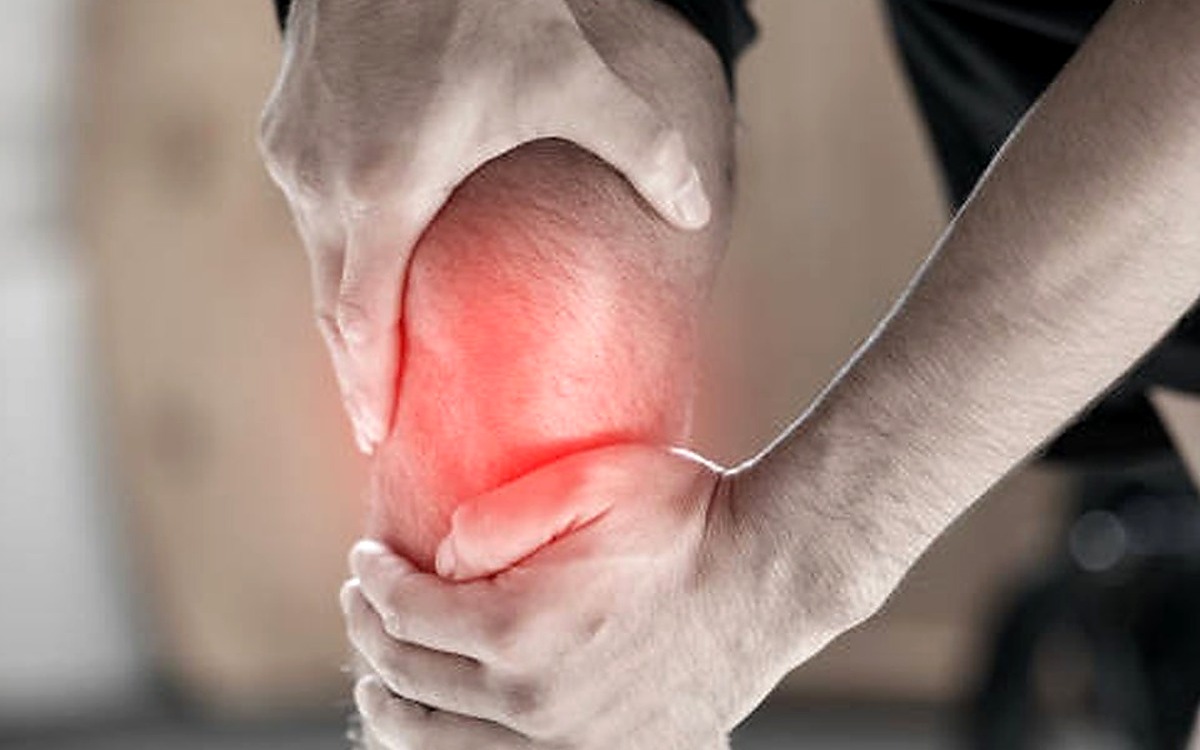
What to know first
Joint Health can be influenced by age, medical history, medicines, daily habits and other individual factors. That is why general wellness information should be used as education, not as a diagnosis or a replacement for individualized care.
For this topic, begin by noticing your baseline. Pay attention to symptoms, energy, sleep, appetite, movement, hydration and anything that has changed recently. A brief written record can help you describe patterns more accurately if you speak with a clinician.
Think carefully about fluids
Hydration needs vary with climate, activity, medicines and medical conditions. Water is often a practical default, but some people need personalized limits. Do not force excessive fluids, especially when a clinician has advised restriction.
Pick one small action for the next seven days. Keep it safe, realistic and easy to record.
Looking for the next step?
Learn more through the product's official website.
Discover the SolutionSecure Access via the Official WebsiteBuild a routine you can maintain
A balanced routine often includes regular meals, appropriate fluids, comfortable movement, enough sleep and time to manage stress. The right combination differs from person to person, particularly when medications, pregnancy, allergies or chronic conditions are involved.
Choose changes that are specific enough to measure. For example, decide when the action will happen, how long it will take and what might get in the way. This makes the routine easier to repeat and easier to revise.
How to judge progress
Review progress by looking for patterns across several days rather than reacting to one number or one difficult day. Improvements in comfort, function and consistency may matter more than chasing an idealized result.
Be careful with products that promise a cure, rapid reversal or guaranteed outcome. Supplements and concentrated ingredients can interact with medicines or be unsuitable for certain conditions, even when they are described as natural.
When to contact a health professional
Professional advice is especially important when symptoms are new, severe, worsening, recurring or disrupting daily life. Seek urgent care for emergency warning signs, and follow local emergency guidance when immediate help may be needed.
- Symptoms appear suddenly or become severe.
- A problem keeps returning or interferes with sleep, work or normal activity.
- You are taking prescription medicines or managing a chronic condition.
- You are unsure whether a food, supplement or exercise plan is safe for you.
Key takeaway
A useful plan for joint health is cautious, consistent and personal. Start small, avoid exaggerated claims, record meaningful changes and seek professional care when symptoms or risks require it.
Looking for the next step?
Learn more through the product's official website.
Discover the SolutionSecure Access via the Official Website